


With these glasses, he will be unstoppable.
undertale game theorists:
why the fuck does the text shake at the beginning when ur picking ur name
like what’s that all about. ive never heard anyone talk about that. does it to that just cuz thats the way it is?
they’re nervous
thanks matpat
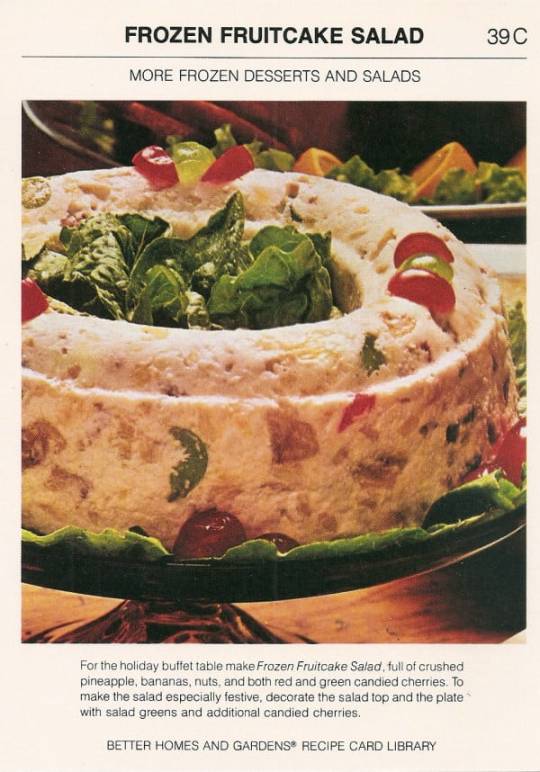
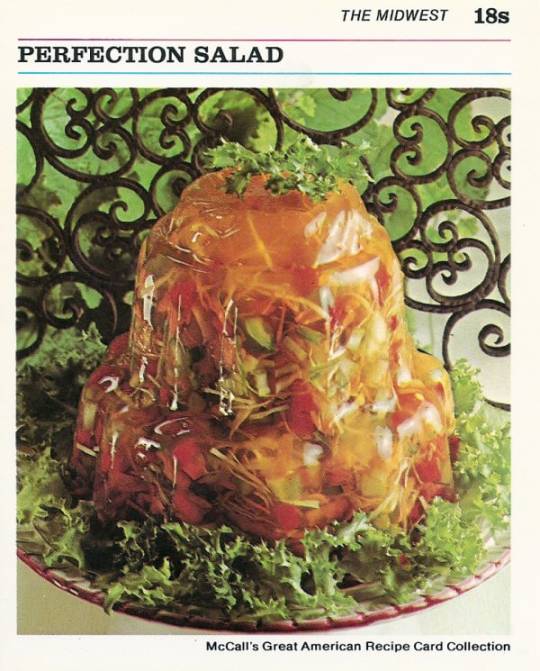
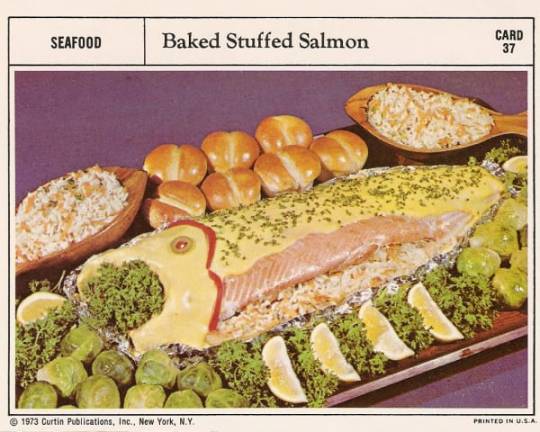
my great-grandma’s legendary jell-o salad is actually what got me interested in researching that “genre” of food to begin with. i had to know what could lead an actual human being from earth to abuse food like that.
Pro-tip for Autistics
When I’m out and about and need to escape being overwhelmed with noise, light, or socializing, and the people I’m with don’t know I’m autistic, I don’t tell them that I’m heading towards a meltdown or am experiencing sensory overload.
I tell them I’m getting a migraine.
Meltdowns and migraines are, from my understanding, neurologically similar events, and for me they often go hand in hand– if I get one, it’s a signal to me that I’m likely to get the other pretty soon and need to take care of myself. The remedy is the same: removing myself from the situation and retreating to a dark, quiet room.
The difference is that NTs often don’t understand and simply dismiss sensory overload if you explain it to them as such, but nearly all of them understand what a migraine is and sympathize. 99% of the time, if I tell a NT that I have a migraine or am about to get one, they treat it as an emergency and help me get away from the source of the overload as quickly as possible. I am then free to recover in a quiet, dark place without anyone trying to invalidate my needs, forcing me to “tough it out”, or thinking that I’m rude for having to leave or to outright avoid certain events or situations in the first place.
Endorsed.
One of my partners gets seizures of the kind that disrupt sensory perceptions and cognition without being visible from the outside: we just call ‘em migraines sometimes for similar reasons.
If you do get actual migraines, it isn’t much of a stretch of the truth to say you’re getting one when you’re going to be getting one shortly.
But if you don’t, and you have a state of incapacity that requires roughly the same care? You totally have my permission as a bona fide migraine sufferer to just call it a damn migraine.
There is nothing wrong with providing a rough shorthand description to a stranger. You don’t owe any random person your full medical history, especially when you’re not in a state to be able to explain it!
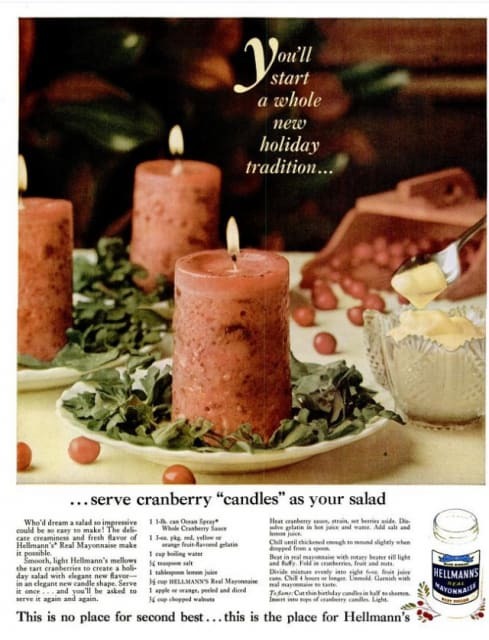
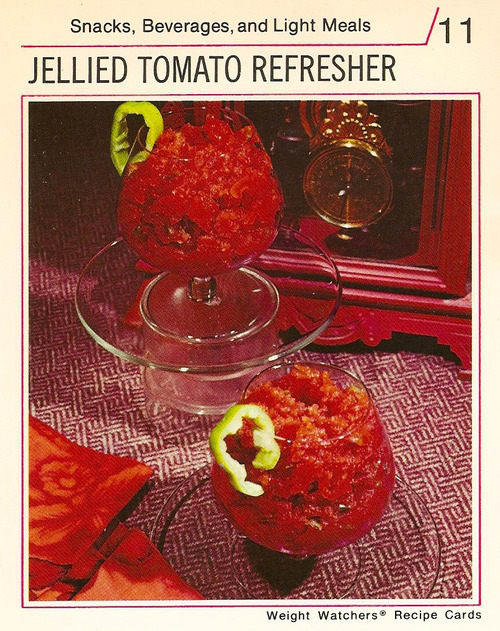
Basically you take jello and throw a bunch of other crap into it, and then try to pass it off as something edible. Doesn’t matter what the other stuff is, you can put anything in there. Nuts, vegetables, cheese, you name it.
My great-grandma was notorious in our family for going above and beyond with how noxious her jello salad could be; her ingredients of choice included canned green beans and cheese that was starting to grow mold (but don’t worry, she washed it first!).
When my mom and dad first got engaged, they went to my great-grandma’s house for dinner. She made the jello salad. My mom told my dad he didn’t have to eat it, but he grew up in a family where you ate everything on your plate whether you liked it or not, and where you showed your elders the utmost respect. So he took a helping of jello salad and choked it down. And then, to my mom’s utter horror, he turned to my great-grandma and asked for seconds.
bringing this back while we’re on the subject
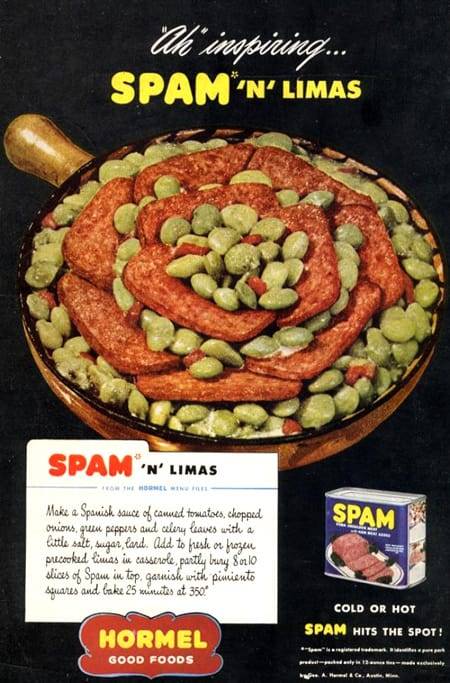
This all started during WWII, when factories in the US started pumping out processed food for the troops, and women back home had to get… creative with their cooking in order to stretch ingredients. Both of which led Americans to be more open to crimes against food, since they just grew used to it.
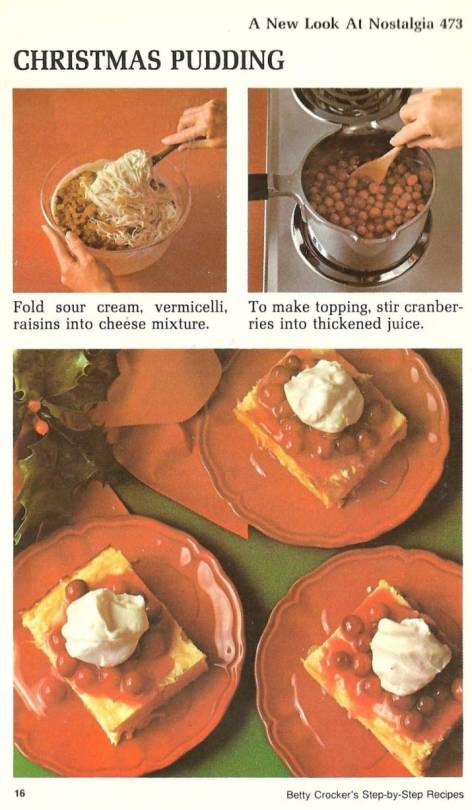
So once the 50s came around and housewives had all these expectations put on them about what a good wife is, they had a problem. Convenience food was bigger than ever, and it was really tempting to make something from a box or can instead of spending hours in the kitchen every day. However, there was this idea that a housewife who resorted to convenience food was lazy and didn’t care enough about her family to put real effort into her cooking. The “compromise”, then, was to use processed stuff as a starting point, but then add personal touches to it like improvised ingredients and fancy little garnishes. This kind of mutated into a culture of one-upmanship, where women related their value as wives and their status among their peers to who could be the most Extra with their cooking. This is when all those weird molds and stuff started coming into play.
Meanwhile, companies started coming out with branded cookbooks as a way of advertising their products. So like, you’d get a Jell-O cookbook that would shoehorn that into every possible course, and for products like, say, canned soup, the results were a little out there. But the public didn’t mind, because like I brought up earlier, wartime conditions kind of ruined everyone’s perceptions of what tasted good.
These were the main factors from what I found in my research, but I also remember reading that all these new food products being pumped out, plus refrigeration becoming widely available, meant that people suddenly had a bajillion more options available to them in what kind of stuff they could use to cook. So there was also a lot of “let’s throw stuff at the wall and see what sticks”, just because that was a novel idea, and it’s not like anyone instinctively knew how all these newfangled foods would taste together anyway.
The two main things that brought this era to an end were increased public awareness of nutrition, and feminism. Once it became more widely known how terrible processed food is for you, more and more people started returning to natural ingredients, and dieting became a big thing. This was also when a lot of women were entering the workplace, so they had a lot less time and energy to devote to cooking. So the stigma against zero-effort meals disappeared, and it was finally acceptable to just pop something in the microwave and go.





 i'm very gay. i'd like a few dollars.